
OOP
Object-Oriented Programming
Class, Object
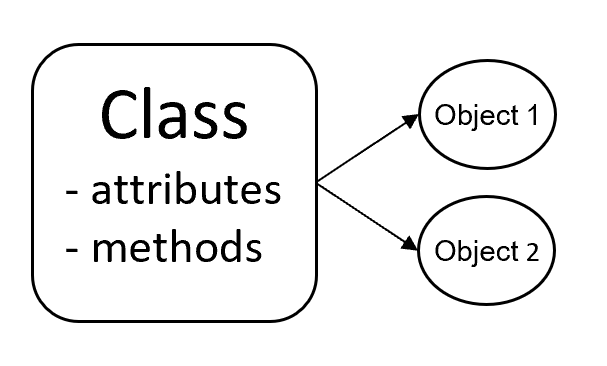
Class
public class Person {
   public String name; // attribute
   public int age;

   public Person(String name, int age) { // constructor
      this.name = name;
      this.age = age;
   }

   public String toString() { // method
      return "Name: " + name + ", Age: " + age;
   }
}
Object
Person person = new Person("Hiep", 20);
System.out.println(person.toString());
4 main principles of OOP
public class Person {
   private String name; // attribute
   private int age;

   public Person() {} // constructor (no parameter)

   public Person(String name, int age) { // constructor
      this.name = name;
      this.age = age;
   }

   public String toString() { // method
      return "Name: " + name + ", Age: " + age;
   }

  public String getName() { // getter (get method)
    return this.name;
  }

  public void setName(String name) { // setter (set method)
    this.name = name;
  }

  public int getAge() {
    return this.age;
  }

  public void setAge(int age) {
    this.age = age;
  }
}
Encapsulation
- Hide data (attribute) with
private - Use
publicget and set methods to access data
Modifiers (private, public, ...)
Keyword that is used to change the behavior of a class, method, variable.
Inheritance
Use extends to inherit all the properties and methods of the superclass
public class Student extends Person {
    private String major;
    private int grade;

    public Student(String name, int age, String major, int grade) {
        super(name, age);
        this.major = major;
        this.grade = grade;
    }

    public void study() {
        System.out.println(getName() + " is studying " + major);
    }

    public void takeExam() {
        System.out.println(getName() + " is taking an exam");
    }

    public int getGrade() {
        return grade;
    }

    public void setGrade(int grade) {
        this.grade = grade;
    }

    public String getMajor() {
        return major;
    }

    public void setMajor(String major) {
        this.major = major;
    }
}
Polymorphism
Ability of an object to take on many forms
1. Overriding
Subclass can provide its own implementation of a method that is already defined in its superclass
public class Student extends Person {
    // ...

    public String getName() { // inherited from the Person class
      return "Student: " + this.name;
    }

    @Override
    public String toString() { // inherited from the Object class
        return "Student {" +
                "name='" + getName() + '\'' +
                ", age=" + getAge() +
                ", major='" + major + '\'' +
                ", grade=" + grade +
                '}';
    }
}
2. Overloading
Same name, different parameters
public class Calculator {
   public int add(int x, int y) {
      return x + y;
   }
   public double add(double x, double y) {
      return x + y;
   }
   public int add(int x, int y, int z) {
      return x + y + z;
   }
}
Abstraction
Exposing the essential features.
- Abstract class: class that cannot be instantiated
- Abstract method: method does not have a body
Subclass must provide an implementation for all the abstract methods defined in the superclass.
public abstract class Person {
    protected String name;
    protected int age;

    public Person(String name, int age) {
        this.name = name;
        this.age = age;
    }

    public abstract void introduce();

    public void printInfo() {
        System.out.println("Name: " + name);
        System.out.println("Age: " + age);
    }
}
public class Student extends Person {
    private String major;

    public Student(String name, int age, String major) {
        super(name, age);
        this.major = major;
    }

    public void introduce() {
        System.out.println("Hi, my name is " + name + " and I'm a student majoring in " + major + ".");
    }

    public void printInfo() {
        super.printInfo();
        System.out.println("Major: " + major);
    }
}
Person person = new Student("Hiep", 26); // Not working
Student student = new Student("Ha", 20, "Japanese");
student.introduce(); // prints "Hi, my name is Ha and I'm a student majoring in Japanese."
Interface
- Defines a set of method signatures that must be implemented by any class that implements the interface
- Completely abstract class that is used to group related methods with empty bodies
public interface IMilitaryStatus {
    boolean canServeInTheMilitary();
}
Using implements to implement this interface
public class Person implements IMilitaryStatus {
    // ...

    @Override
    public boolean canServeInTheMilitary() {
        return true;
    }
}

public class Student extends Person {
    // ...

    @Override
    public boolean canServeInTheMilitary() {
        return false;
    }
}
Person person = new Person("Hiep", 26);
Student student = new Student("Ha", 20, "Japanese", 10);

System.out.println(person.canServeInTheMilitary());  // true
System.out.println(student.canServeInTheMilitary()); // false